What Alaska Taught Me About Business and Trust
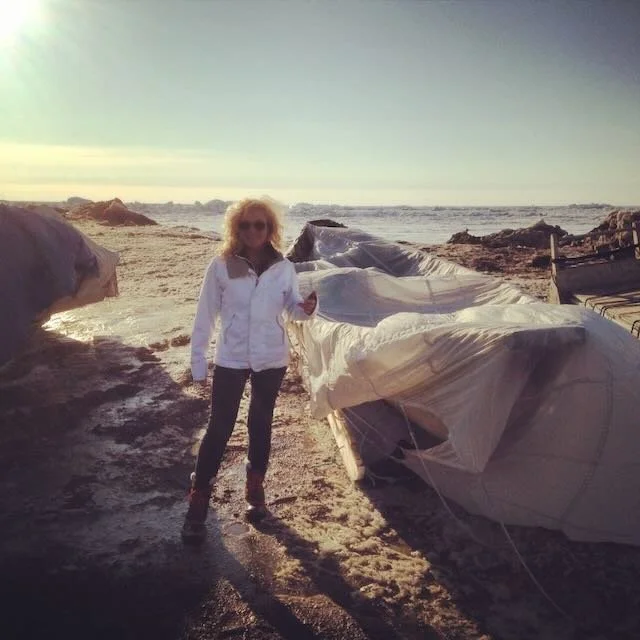
Utqiaġvik, Alaska.
Work didn’t happen in controlled environments. It happened in places where conditions, logistics, and context shaped every decision.
Much of how I approach business today was shaped during my years working in Alaska. The environment, the people, and the way business is conducted there shaped how I think about my work to this day.
I spent much of my early career in Anchorage, working in the agency world alongside highly capable, agile teams. These agencies were deeply connected to the communities they served and supported some of Alaska’s most prominent corporations, public organizations, and State leaders.
It was an environment that demanded versatility. Roles were fluid. On any given week, I might be leading a client account, producing a commercial shoot, scouting locations, coordinating logistics, or writing campaign messaging. Titles mattered less than whether the work was thoughtful, strategic, and delivered well.
Alaska operates differently from most markets in the United States. The geography alone shapes how people work together. Distance, weather, and scale create a business environment where relationships matter, and reputation travels quickly.
What shaped my approach wasn’t the size of the market — it was the access.
Those experiences shaped how I work: the need to fully understand the business, the industry, and the goals before anything else. To ask questions without hesitation. And to push back, respectfully but directly, when something isn't right for the business.
That instinct didn’t come from a methodology. It came from Alaska—where the work didn’t stay in conference rooms, and understanding a business meant understanding the place it operated in.
Some of my most memorable experiences happened far from conference rooms.
During a TV shoot just over ten years ago, we traveled to Utqiaġvik, north of the Arctic Circle — the northernmost community in the United States. While we were there, we watched whaling crews moving their boats across the sea ice as they prepared for the season.
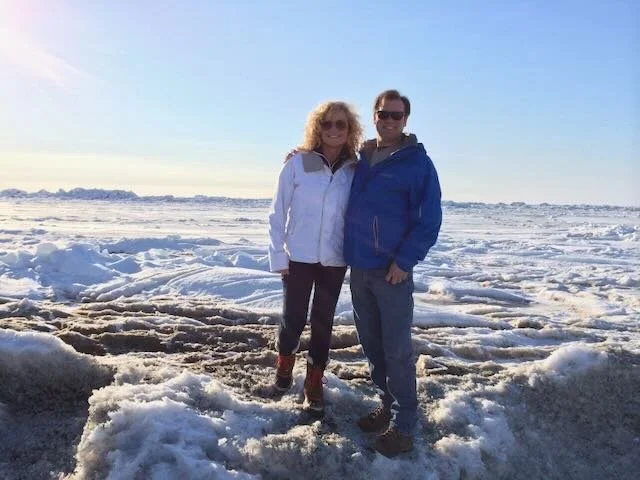
The relationships built in that environment weren’t transactional. They were built over time, through shared experience and trust.
What struck me wasn’t just the scale of the landscape—it was the complexity of it. The intersection of tradition, livelihood, regulation, and resource development, all coexisting in one place.
That experience shifted how I think about business and leadership. Decisions aren’t made in a vacuum. They’re shaped by context, competing priorities, and the realities of the communities they impact.
I now live and work in Oregon, but Alaska remains a defining part of my professional foundation. Many of those relationships are still active today.
What Alaska taught me most is that before strategy, before design, before campaigns, there has to be clarity about the business, the environment it operates in, and the people it serves.
That clarity is what builds trust—and what allows you to make decisions that hold up in the real world.
Strategy without that understanding doesn’t hold.